The Daylight Award Laureates
THE DAYLIGHT AWARD 2026 — DAYLIGHT IN ARCHITECTURE
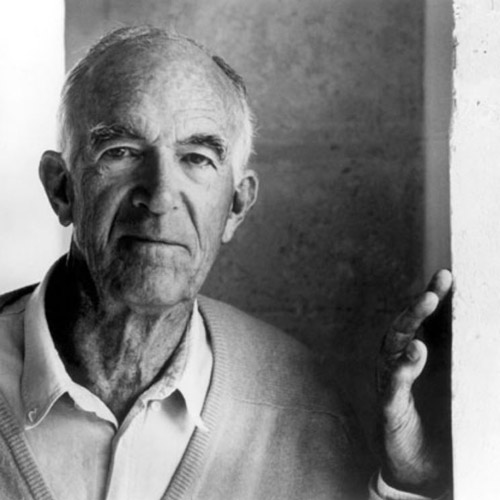
Momoyo Kaijima & Yoshiharu Tsukamoto, Atelier Bow-Wow (JP)
Momoyo Kaijima (born 1969) and Yoshiharu Tsukamoto (born 1965), founders of the architectural firm Atelier Bow-Wow, which they run together with their partner Yoichi Tamai, are Japanese architects of international renown and scope. Alongside their practice, both partners have taught at various universities around the world. Momoyo Kaijima is a full professor at the Department of Architecture (D-ARCH) at ETH Zurich since 2017, and Yoshiharu Tsukamoto teaches as a professor at the Institute of Science Tokyo since 2015.
The projects that Momoyo Kaijima and Yoshiharu Tsukamoto have carried out with their studio Atelier Bow-Wow since 1992 are medium-sized and smaller buildings for everyday use. These include residential buildings, offices, kindergartens, gallery spaces, research buildings, workshops and even “ad hoc architecture”. The innovative, thoughtful and highly varied work of the two architects can best be reflected through a selection of individual buildings, where their response to local conditions has led to very diverse creations and interventions often articulated through a highly innovative integration of daylight as a defining architectural element.
One example is the early GAE House in Tokyo (2003). This single-family home in a densely populated urban environment introduces a new typology of openings by incorporating the traditional eaves of the pitched roof into the building volume, glazing them horizontally and thus capturing the reflected daylight from the surroundings, which is guided into the room along the metal roof underside.
At the Nora House for a young family in Sendai (2006), daylight and air shafts have been used to create an unusual roof design in the form of two “hats”. Beneath the expressive roof shape, the interior space extends over several levels and opens up with a wide window front facing the grandparents’ house directly opposite. And in the Rue Rebière low-cost housing project in Paris (2012), one can see how the rigid arrangement of traditional double-leaf French windows is subtly contrasted with balconies of varying widths and depths. Using inexpensive means, a play of daylight and shadow was achieved, along with an attractive façade and added value for the residents. The workshop building at the Bird Theatre in Tottori (2025) reuses windows and staircases from the much-loved former school building, not only saving resources but also preserving a piece of local history.
The work of the two architects is thus not defined by the imposing scale of their buildings, elaborate detailing or an unmistakable design language, but rather by their empathy for the vernacular, the particular locations and specific tasks at hand, their commitment to existing structures, and their inventive and skilful use of architectural means. The essential factor here is the usage of the buildings, their vital relationship with daylight and weather, and with the inhabitants. In this capacity, the work of Momoyo Kaijima and Yoshiharu Tsukamoto is distinguished and exemplary in contemporary architecture.

THE DAYLIGHT AWARD 2026 — DAYLIGHT RESEARCH
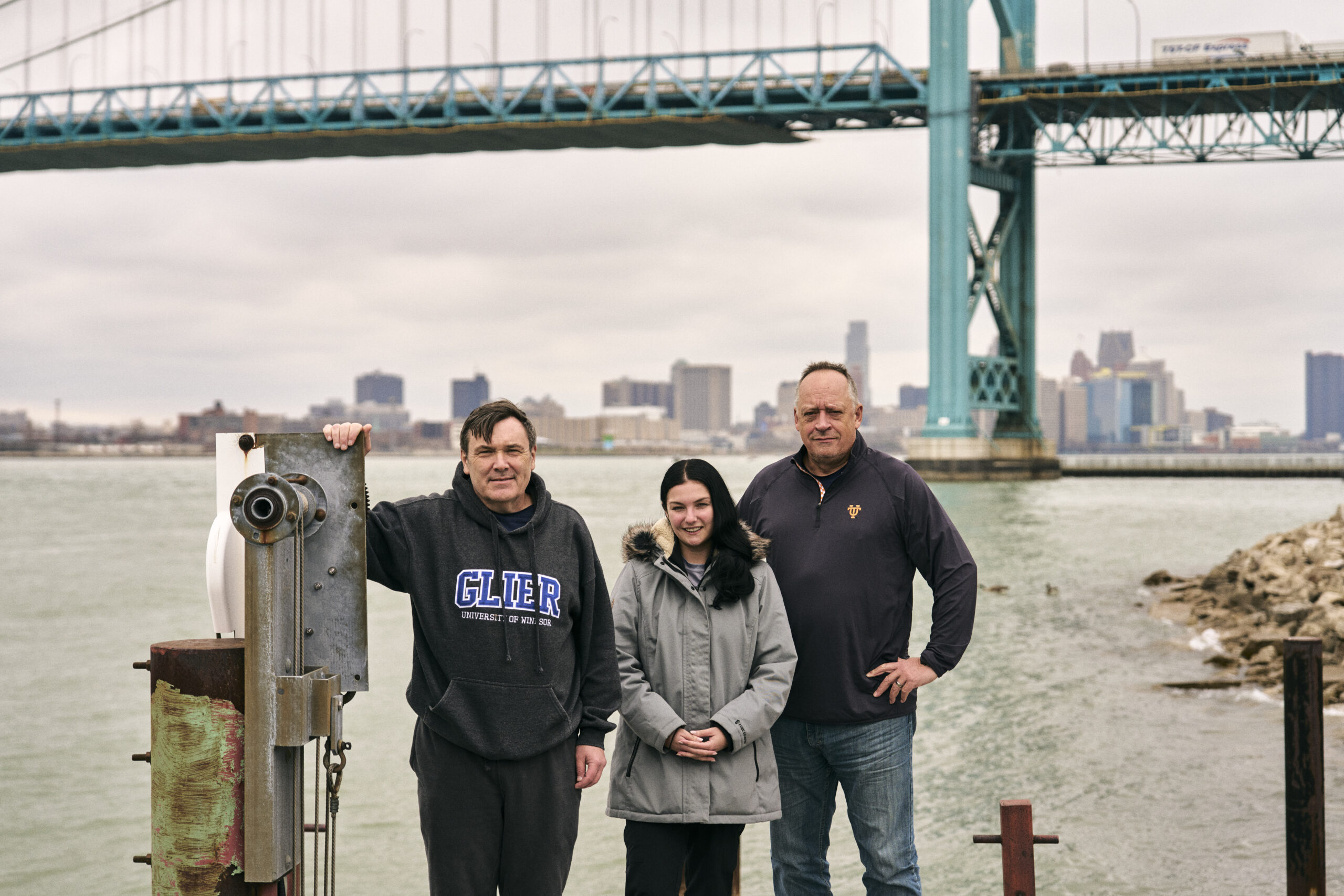
Brittany N. Zepernick (US), Steven W. Wilhelm (US/CA), R. Michael McKay (CA)
Brittany N. Zepernick, Steven W. Wilhelm, and R. Michael McKay are leading researchers in aquatic microbiology and environmental science, whose work collectively advances the understanding of microbial life in freshwater and marine systems. Their research spans scales from genomic analyses of microorganisms to ecosystem-level investigations of biogeochemical cycles, with a shared focus on how microbial communities shape and respond to environmental change.
Zepernick, Wilhelm and McKay are utilising their complementary skills to address the critical question of how different communities of light-harvesting algae are being affected by climate change. One area of research has shown that warmer water temperatures favour cyanobacteria (blue-green algae), which can be toxic, over other, more beneficial types of algae (e.g. diatoms). This leads to more frequent, severe, and longer-lasting cyanobacterial harmful algal blooms (CyanoHABs). Such blooms have multiple impacts including oxygen depletion in aquatic environments resulting from the decomposition of CyanoHABs, creating “dead zones” just below the water’s surface, which blocks sunlight from reaching submerged plants and algae crucial for the food web. In addition, the toxins in CyanoHABs are directly harmful to humans, pets and livestock. When such toxins enter the food chain, they harm whole ecosystems, affecting invertebrates, fish and birds.
Most recently the team have used cutting-edge methods to understand how the loss of ice cover has led to a decline in diatom populations due to the diminished capacity to undertake photosynthesis. Normally, diatoms stick to the underside of ice, fixing their location within the light environment to optimize photosynthesis. Climate change has led to a widespread decline in ice across the Great Lakes. In the absence of ice, water currents move the diatoms away from the surface and make the water more turbid. In response to this loss of daylight, diatoms have increased their expression of various photosynthetic genes and iron transporters, suggesting that the diatoms are attempting to increase their capacity for photosynthesis. In addition, these researchers found an upregulation of proton-pumping rhodopsins in the diatoms which act to augment photosynthesis and light-driven primary production.
With large-scale climatic changes already underway, the observations by these researchers provide novel mechanistic insights into how diatoms powered by daylight respond to ice loss and thus help to elucidate how they will fare in a climatically altered tomorrow, with major implications for planetary health and biodiversity.
Previous Laureates
THE DAYLIGHT AWARD 2024 — 2016
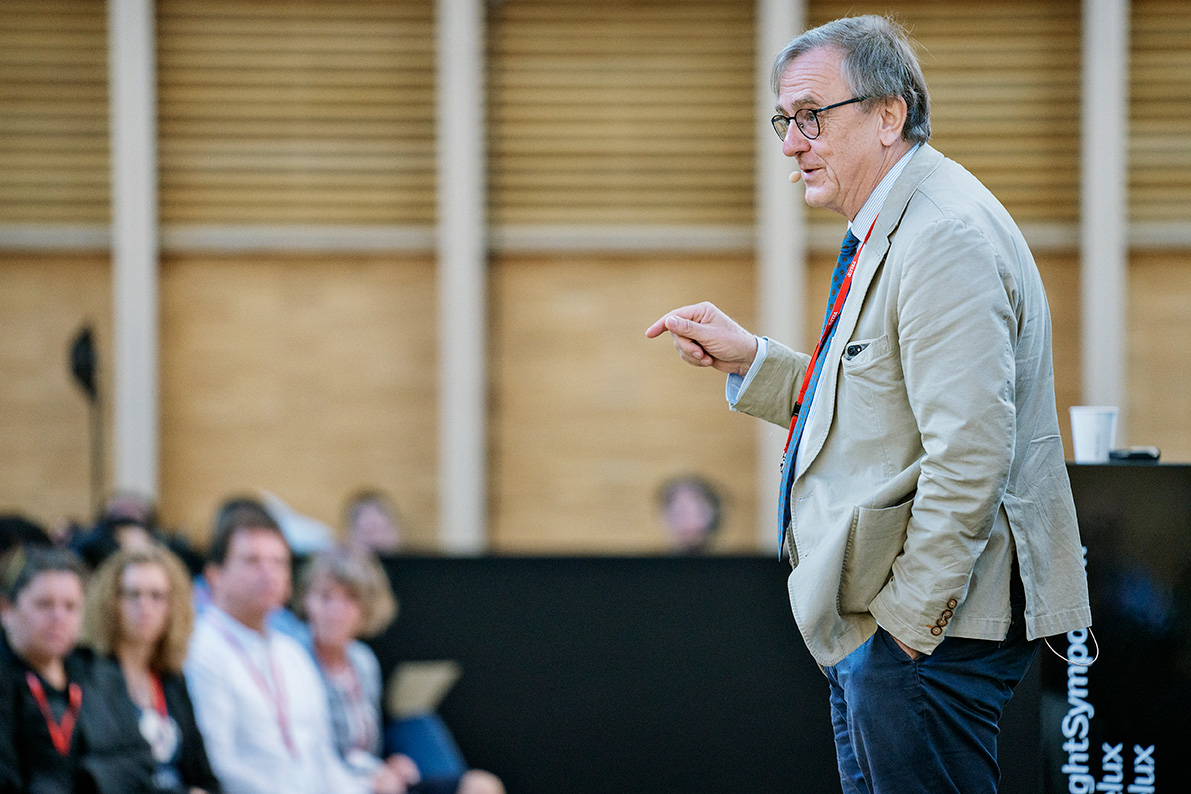
Till Roenneberg
The Daylight Award for Research 2024
Alberto Campo Baeza
The Daylight Award for Architecture 2024

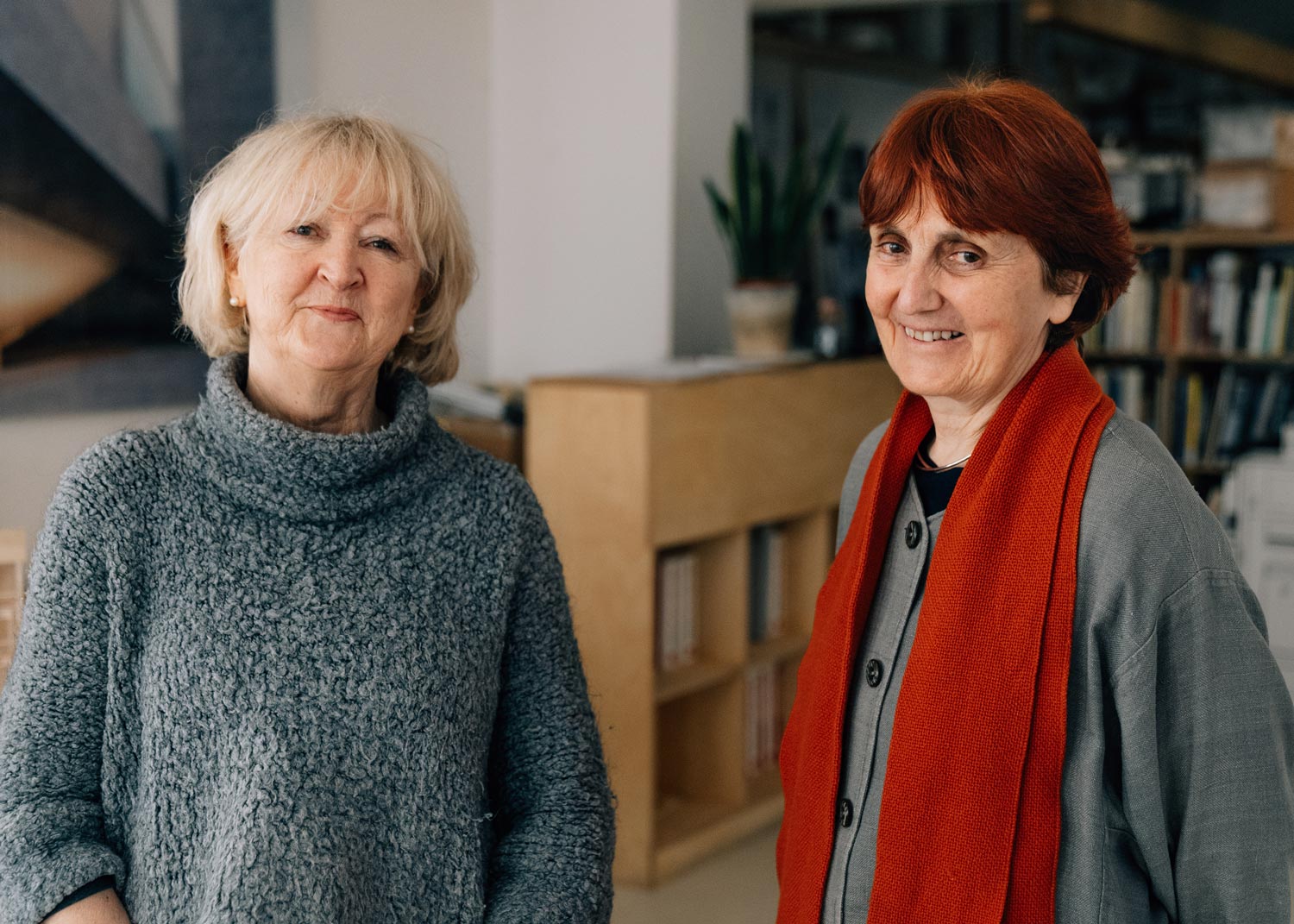
Yvonne Farrell and Shelley McNamara
The Daylight Award for Architecture 2022
ANNA WIRZ-JUSTICE
The Daylight Award for Research 2022
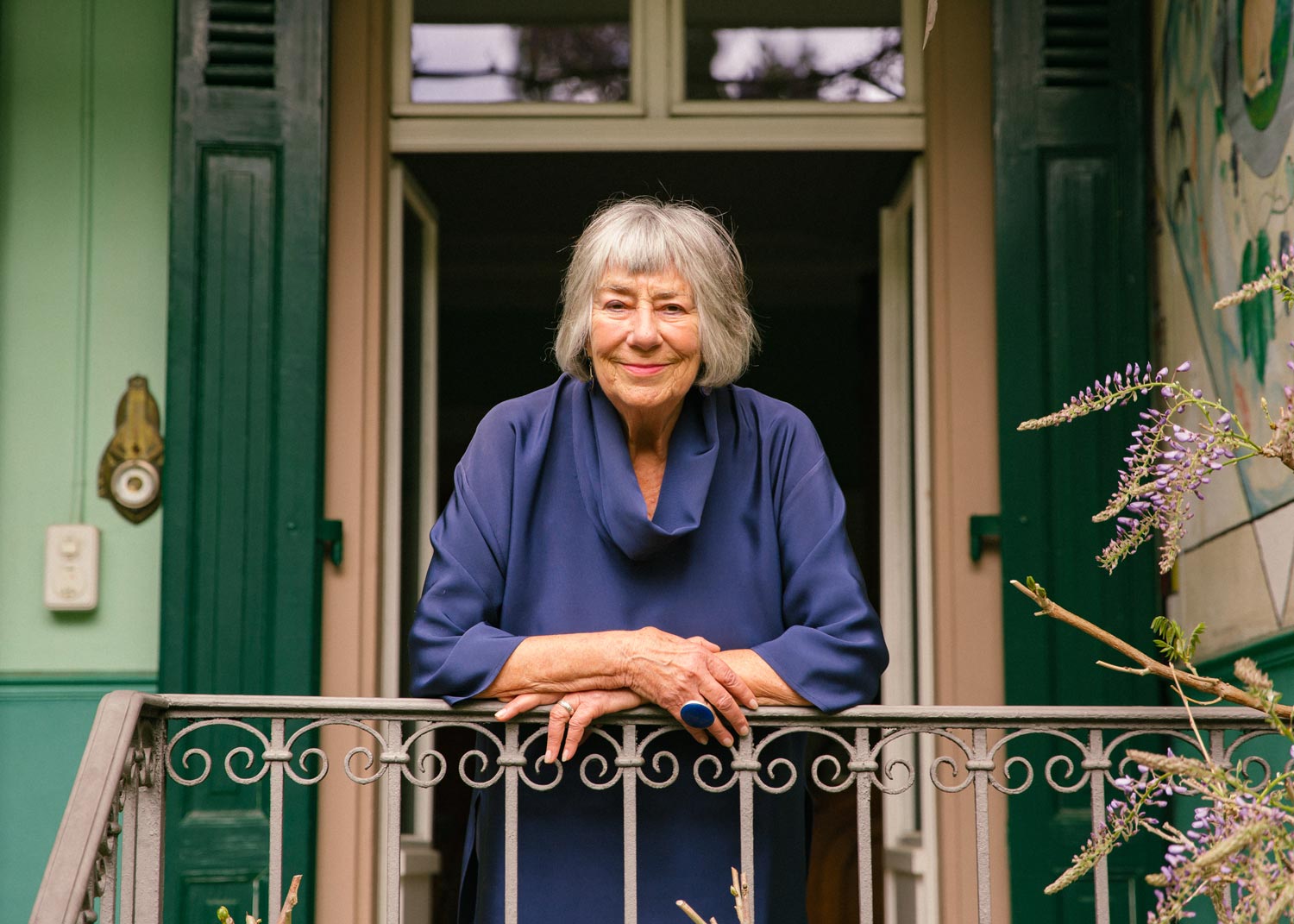
JUHA LEIVISKÄ
The Daylight Award for Architecture 2020
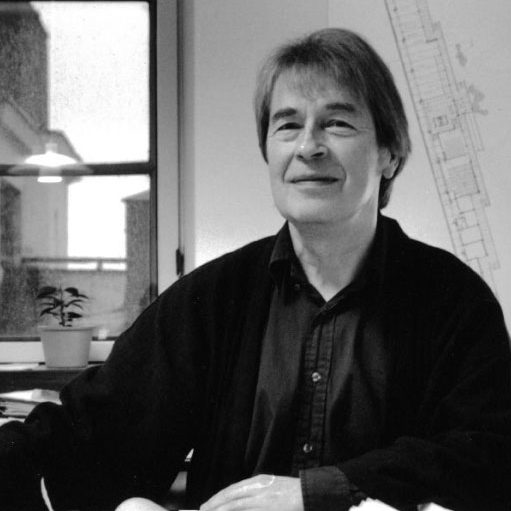
Finnish Architect and Designer
RUSSELL FOSTER
The Daylight Award for Research 2020

Director of the Nuffield Laboratory of Ophthalmology and Head of the Sleep and Circadian Neuroscience Institute at the University of Oxford
HENRY PLUMMER
The Daylight Award for Lifetime Achievement 2020
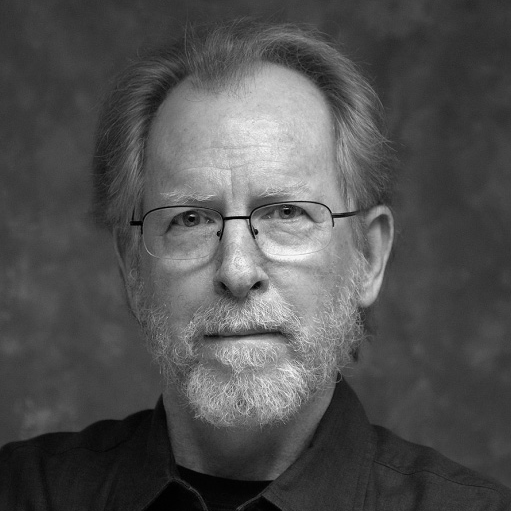
Architect, Photographer & Writer
HIROSHI SAMBUICHI
The Daylight Award for Architecture 2018

GREG WARD
The Daylight Award for Research 2018

Consultant for Anyhere Software and Senior Member of Technical Staff – Research at Dolby Laboratories, Inc.
STEVEN HOLL
The Daylight Award for Architecture 2016

MARILYNE ANDERSEN
The Daylight Award for Research 2016

THE DAYLIGHT AWARD 2014 — 1980
SANAA
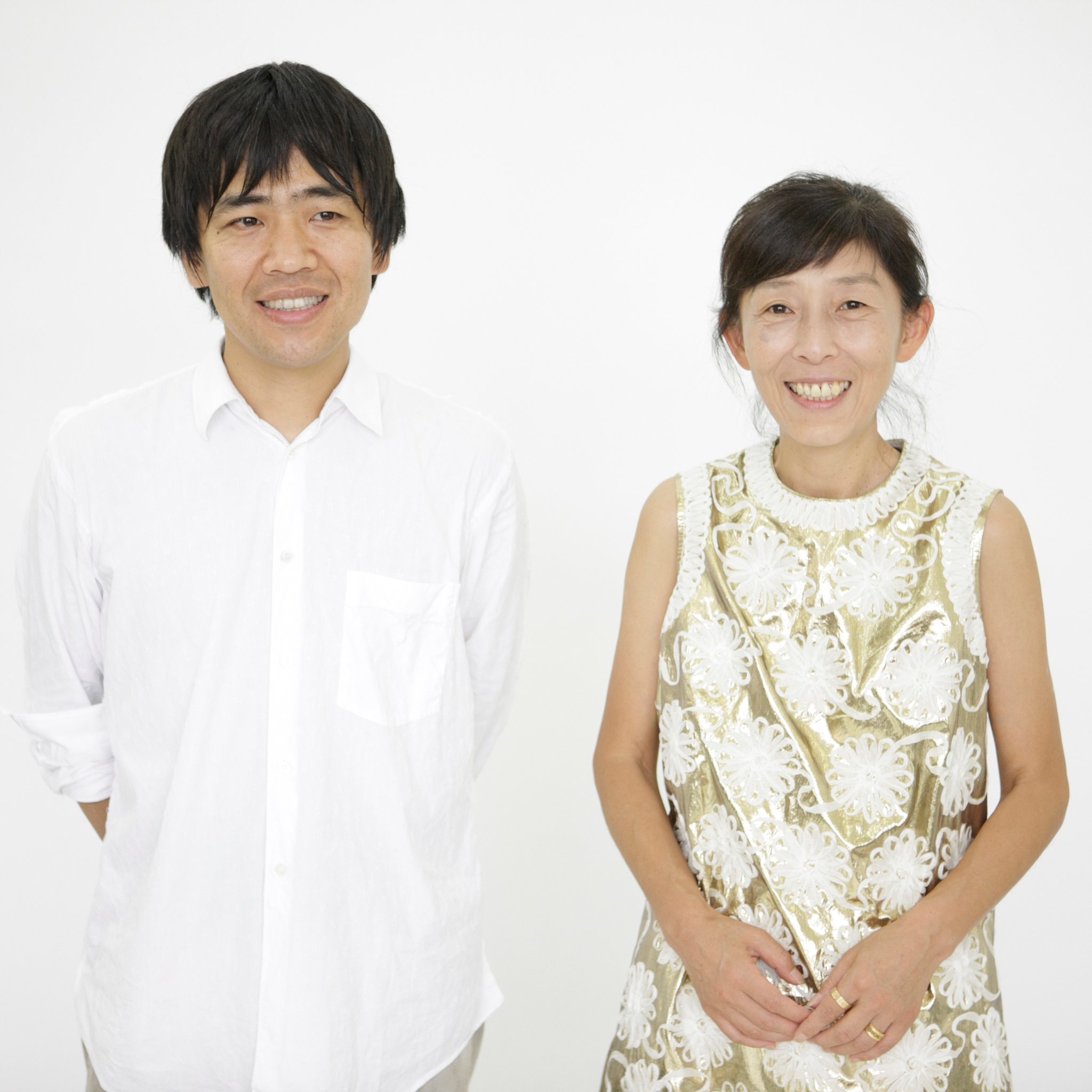
GIGON & GUYER
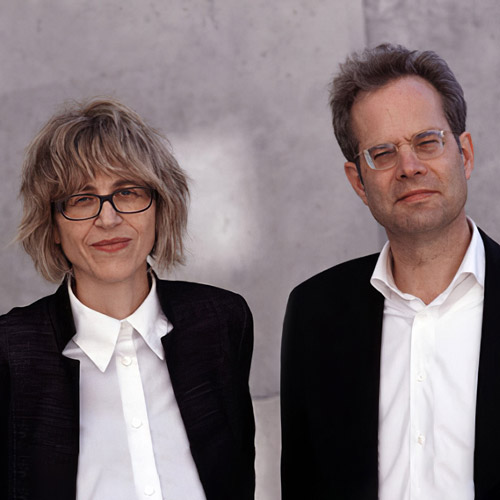
LACATON & VASSAL
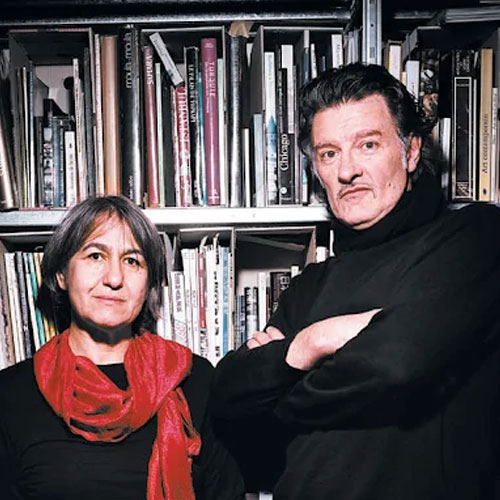
PETER ZUMTHOR
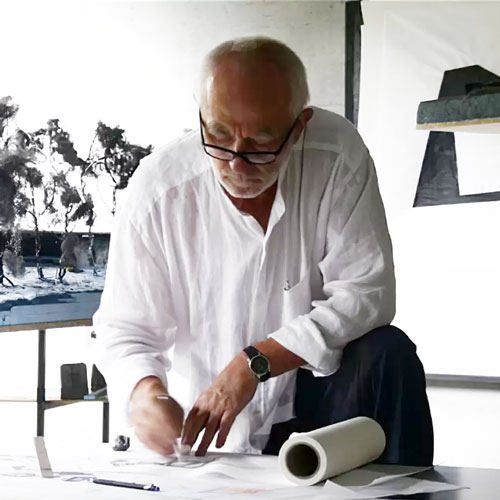
Professor and Founder of his own firm in Haldenstein, Switzerland
JAMES CARPENTER

Principle of James Carpenter Design Associates (JCDA), a cross-disciplinary design firm working at the intersection of art, engineering and the built environment.
RICHARD PEREZ

Research Professor at the University at Albany’s Atmospheric Sciences Research Center, where he directs applied research in the fields of solar radiation and solar energy applications and daylighting.
BOB GYSIN
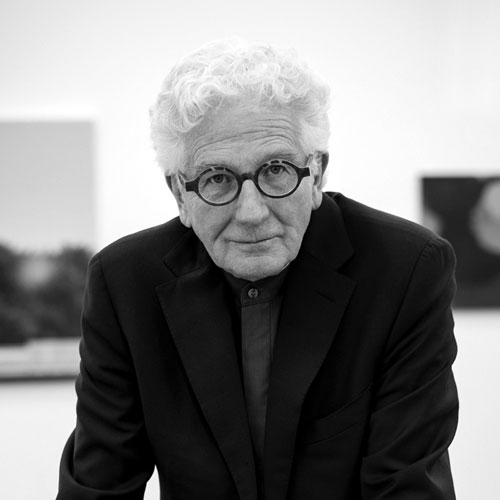
HENNING LARSEN
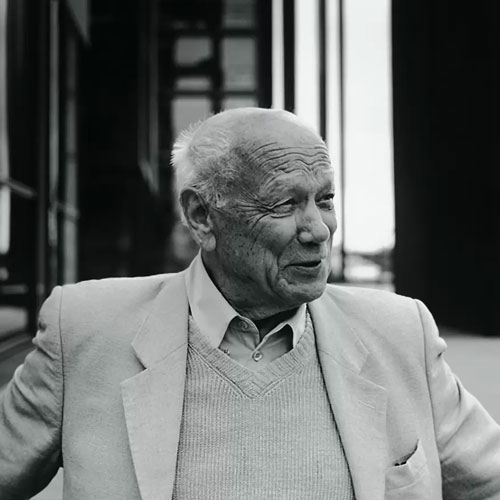
Henning Larsen, Hon. FAIA (1925 – 2013) was a Danish architect, internationally mostly known for the Ministry of Foreign Affairs building in Riyadh and the Copenhagen Opera House.
JØRN UTZON