
THE DAYLIGHT AWARD 2026 — DAYLIGHT RESEARCH
Brittany N. Zepernick, Steven W. Wilhelm, R. Michael McKay
Brittany N. Zepernick, Steven W. Wilhelm, and R. Michael McKay are leading researchers in aquatic microbiology and environmental science, whose work collectively advances the understanding of microbial life in freshwater and marine systems. Their research spans scales from genomic analyses of microorganisms to ecosystem-level investigations of biogeochemical cycles, with a shared focus on how microbial communities shape and respond to environmental change.
Together, their expertise integrates cutting-edge biomolecular techniques—including DNA and RNA sequencing, metabolomics, and quantitative analyses—with long-term ecological research in lakes and oceans. Their contributions have been instrumental in uncovering key processes such as how light structures aquatic life beneath winter ice, microbial interactions, nutrient cycling, and the role of viruses in aquatic systems, including the concept of the viral shunt.
Beyond fundamental research, their work has had significant applied impact, informing environmental monitoring and policy. This includes leadership in Great Lakes research, international scientific advisory roles, and the expansion of microbial surveillance approaches to emerging challenges such as wastewater monitoring during the COVID-19 pandemic. Through their combined efforts, they bridge disciplines and connect molecular science with large-scale environmental processes, contributing to a more comprehensive understanding of aquatic ecosystems and their global relevance.
Together, their expertise integrates cutting-edge biomolecular techniques—including DNA and RNA sequencing, metabolomics, and quantitative analyses—with long-term ecological research in lakes and oceans. Their contributions have been instrumental in uncovering key processes such as how light structures aquatic life beneath winter ice, microbial interactions, nutrient cycling, and the role of viruses in aquatic systems, including the concept of the viral shunt.
Beyond fundamental research, their work has had significant applied impact, informing environmental monitoring and policy. This includes leadership in Great Lakes research, international scientific advisory roles, and the expansion of microbial surveillance approaches to emerging challenges such as wastewater monitoring during the COVID-19 pandemic. Through their combined efforts, they bridge disciplines and connect molecular science with large-scale environmental processes, contributing to a more comprehensive understanding of aquatic ecosystems and their global relevance.
JURY REASONING
The work of Zepernick, Wilhelm and McKay provides key insights on the role of daylight in photosynthetic algae in a changing climate. Their body of work and important discoveries allow for a greater understanding of the impact of climate change on aquatic ecosystems with major implications for planetary health and biodiversity.Using daylight, photosynthetic algae sustain most life on Earth. Through photosynthesis algae use sunlight, water, and carbon dioxide to create chemical energy (glucose) and release oxygen as a byproduct. As a result, algae are fundamental to most ecosystems, generating vast amounts of atmospheric oxygen, contributing at least half, and perhaps as much as 70-80% of global oxygen. Oxygen is required for efficient respiration and complex multicellular life. Oxygen also forms the ozone layer shielding the Earth from high-energy ultraviolet (UV) photons, eliminating 90% of the UV-B and all of the UV-C radiation which would otherwise destroy much of the life on our planet. In addition, algae such as diatoms act as primary producers sitting at the base of aquatic food webs, supporting marine and freshwater life from zooplankton to fish, while also controlling nutrient cycles, sequestering carbon dioxide, providing essential habitats, and influencing water quality. As a result, algae are vital for planetary health and biodiversity. Understanding how climate change impacts the photosynthetic capacity of different species of algae is fundamental to understanding the future of the biosphere, and ultimately the survival of countless species, including ourselves.
Zepernick, Wilhelm and McKay are utilising their complementary skills to address the critical question of how different communities of light-harvesting algae are being affected by climate change. One area of research has shown that warmer water temperatures favour cyanobacteria (blue-green algae), which can be toxic, over other, more beneficial types of algae (e.g. diatoms). This leads to more frequent, severe, and longer-lasting cyanobacterial harmful algal blooms (CyanoHABs). Such blooms have multiple impacts including oxygen depletion in aquatic environments resulting from the decomposition of CyanoHABs, creating "dead zones" just below the water's surface, which blocks sunlight from reaching submerged plants and algae crucial for the food web. In addition, the toxins in CyanoHABs are directly harmful to humans, pets and livestock. When such toxins enter the food chain, they harm whole ecosystems, affecting invertebrates, fish and birds.
Most recently the team have used cutting-edge methods to understand how the loss of ice cover across northern temperate lakes has led to a decline in diatom populations due to the diminished capacity to undertake photosynthesis. Normally, diatoms stick to the underside of ice, fixing their location within the light environment to optimize photosynthesis. Climate change has led to a widespread decline in ice across the Great Lakes. In the absence of ice, water currents move the diatoms away from the surface and make the water more turbid. In response to this loss of daylight, diatoms have increased their expression of various photosynthetic genes and iron transporters, suggesting that the diatoms are attempting to increase their capacity for photosynthesis. In addition, these researchers found an upregulation of proton-pumping rhodopsins in the diatoms which act to augment photosynthesis and light-driven primary production. With large-scale climatic changes already underway, the observations by these researchers provide novel mechanistic insights into how diatoms powered by daylight respond to ice loss and thus help to elucidate how they will fare in a climatically altered tomorrow, with major implications for planetary health and biodiversity.
SELECTED PROJECTS

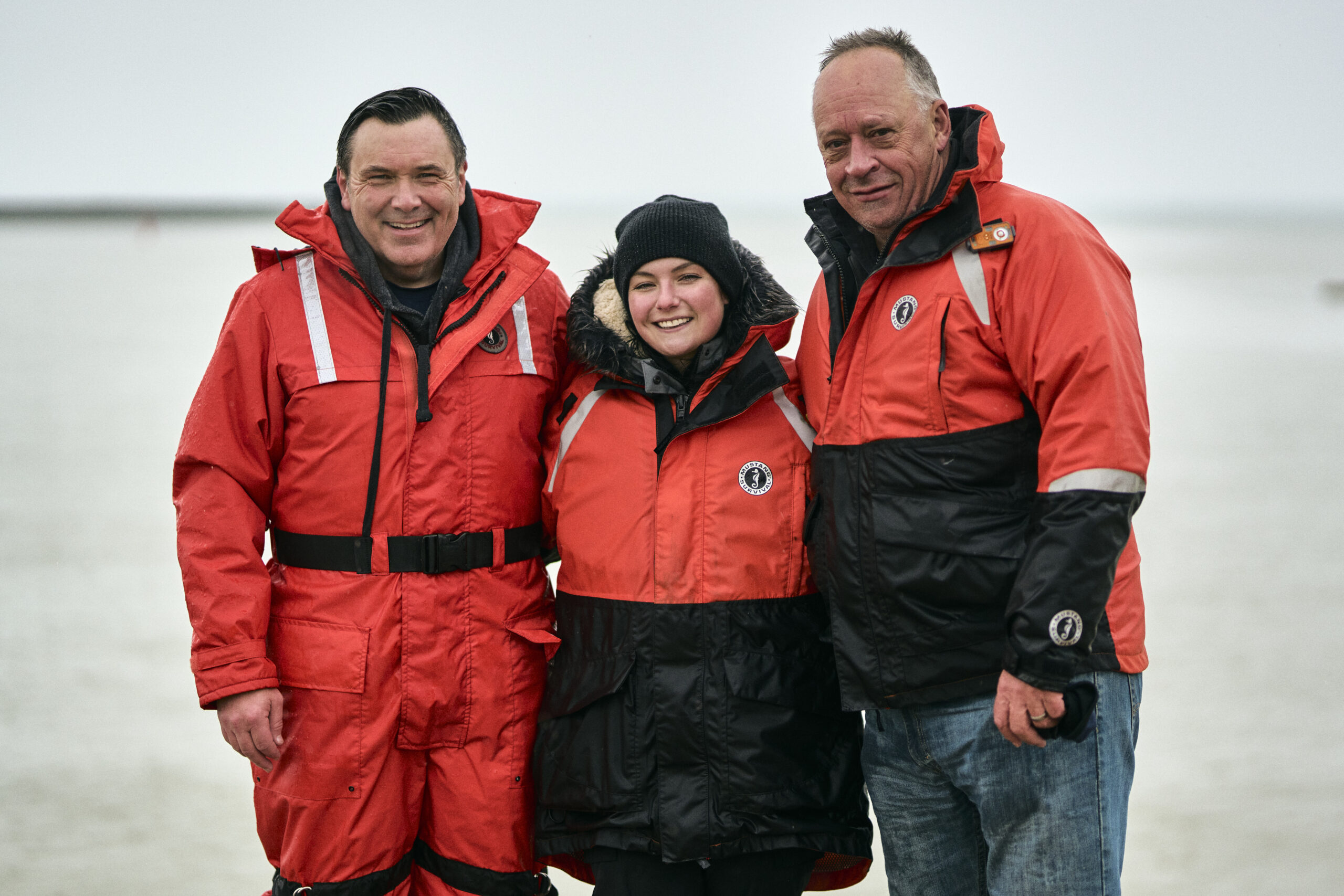
R. Michael McKay, Brittany N. Zepernick, Steven W. Wilhelm, Photo by The Daylight Award
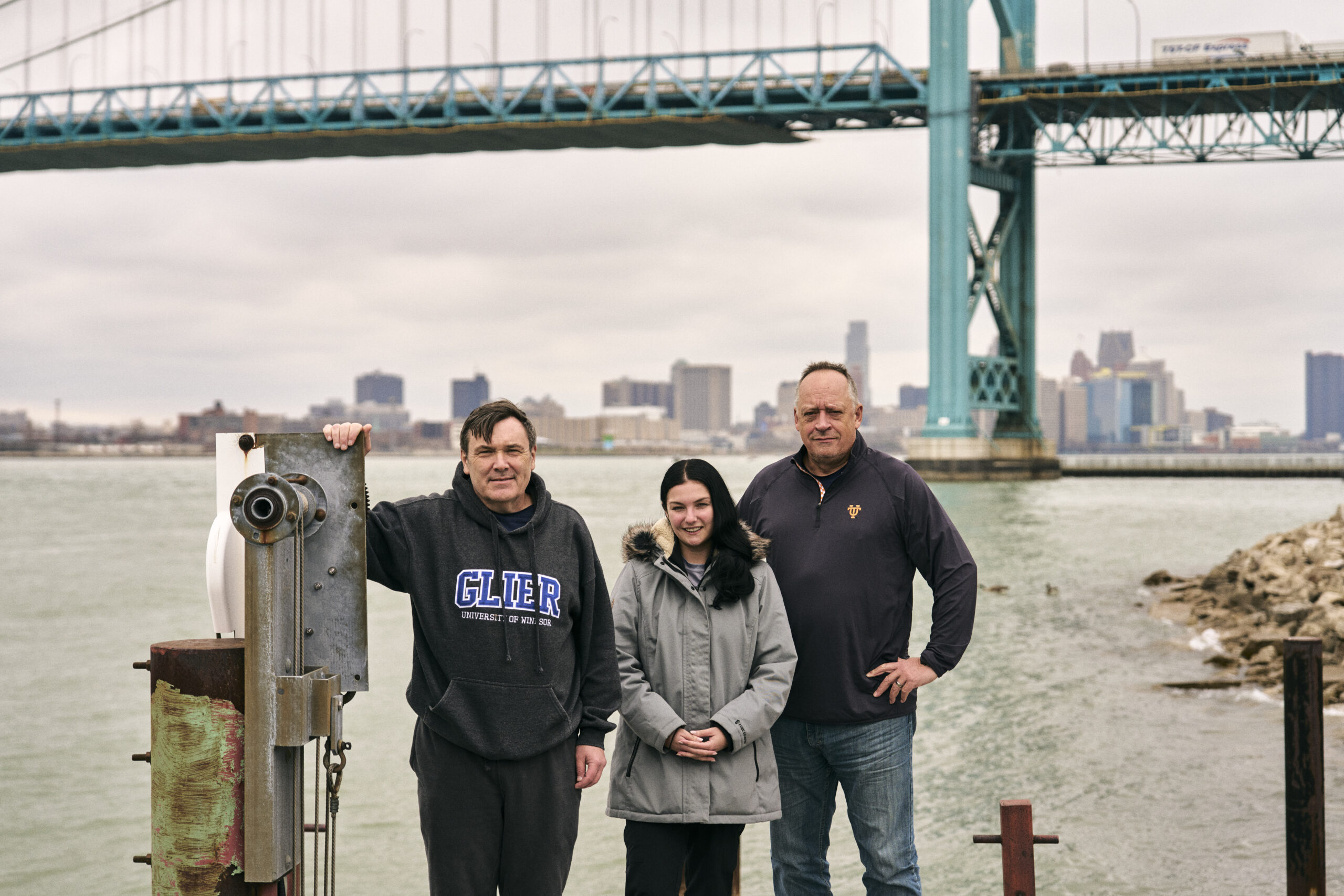
R. Michael McKay, Brittany N. Zepernick, Steven W. Wilhelm photo by The Daylight Award
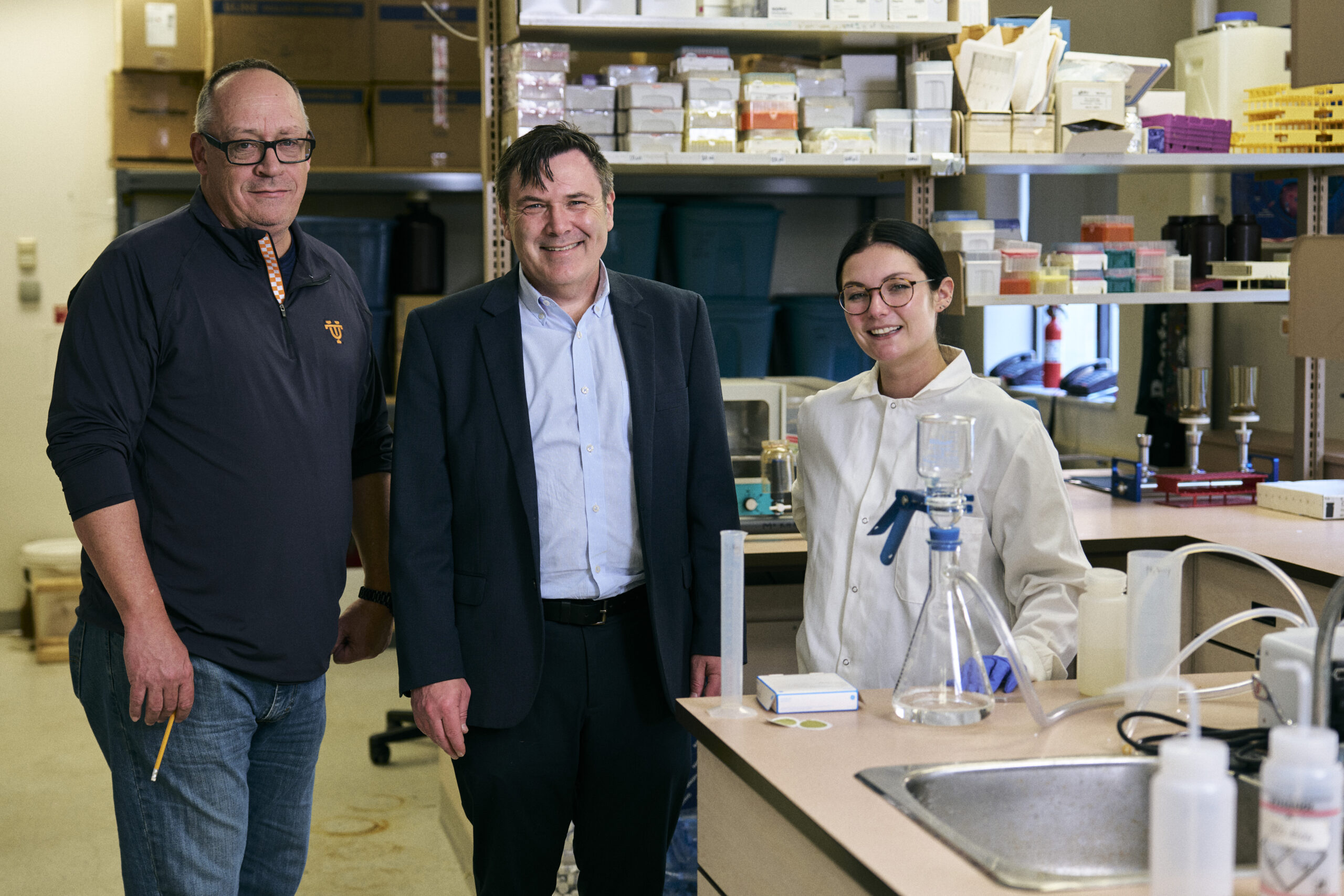
Steven W. Wilhelm, R. Michael McKay, Brittany N. Zepernick, photo by The Daylight Award
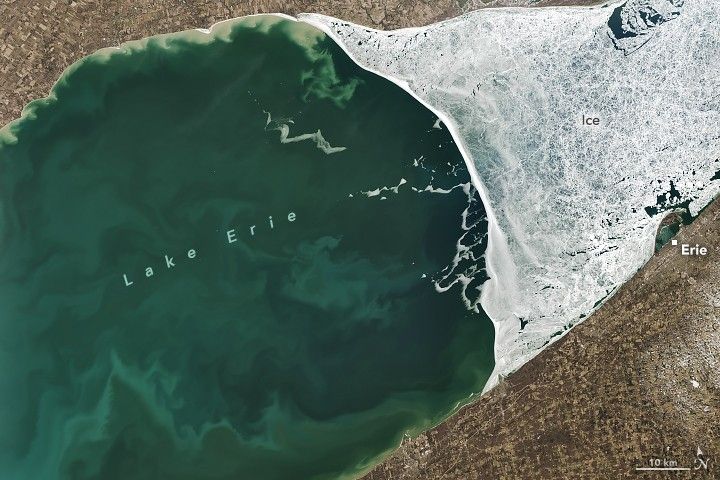
Lake Erie, photo by NASA
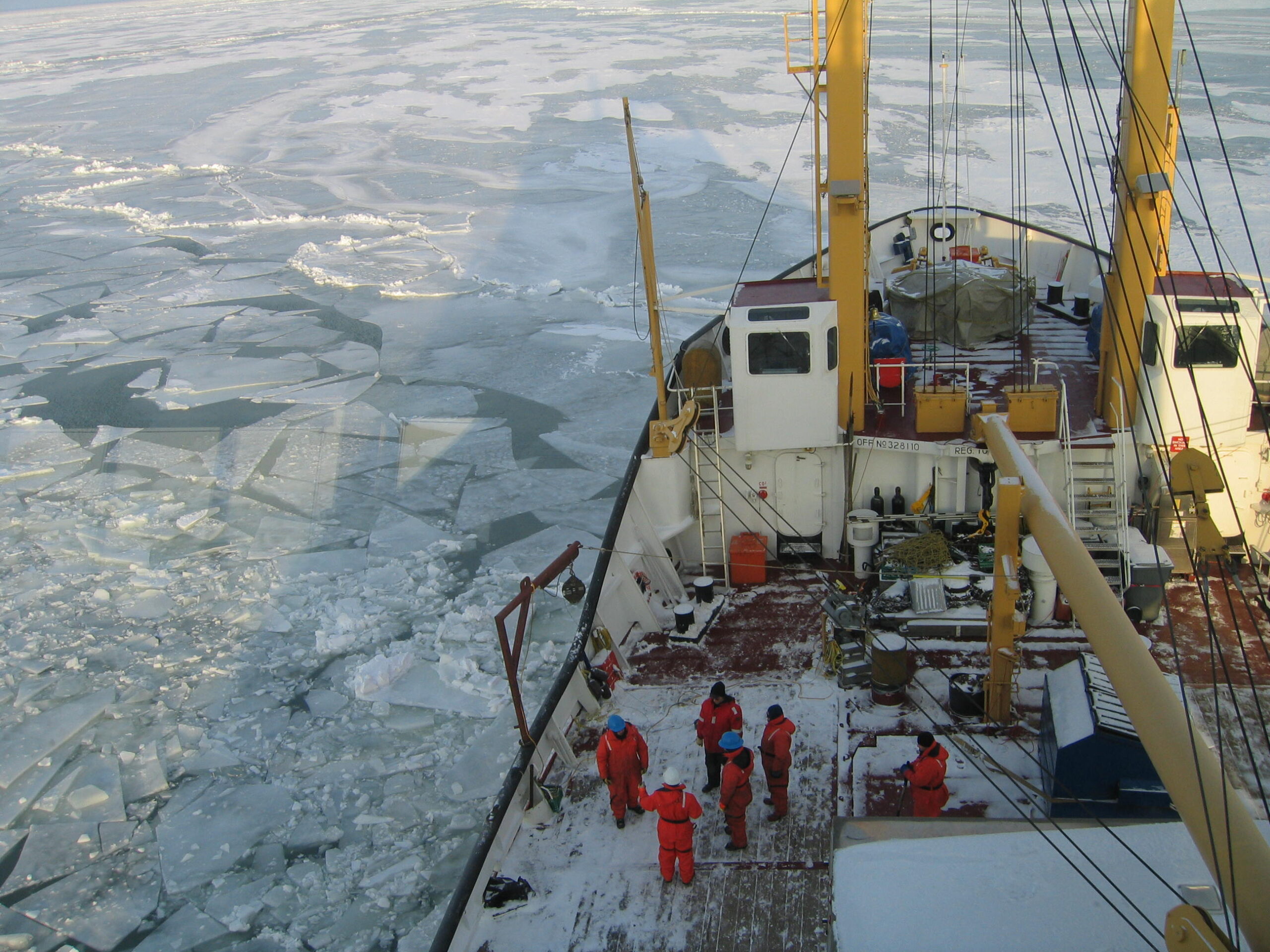
Winter in Lake Erie, research expedition with Canadian Coast Guard Ship Griffon, photo by Steven W. Wilhelm
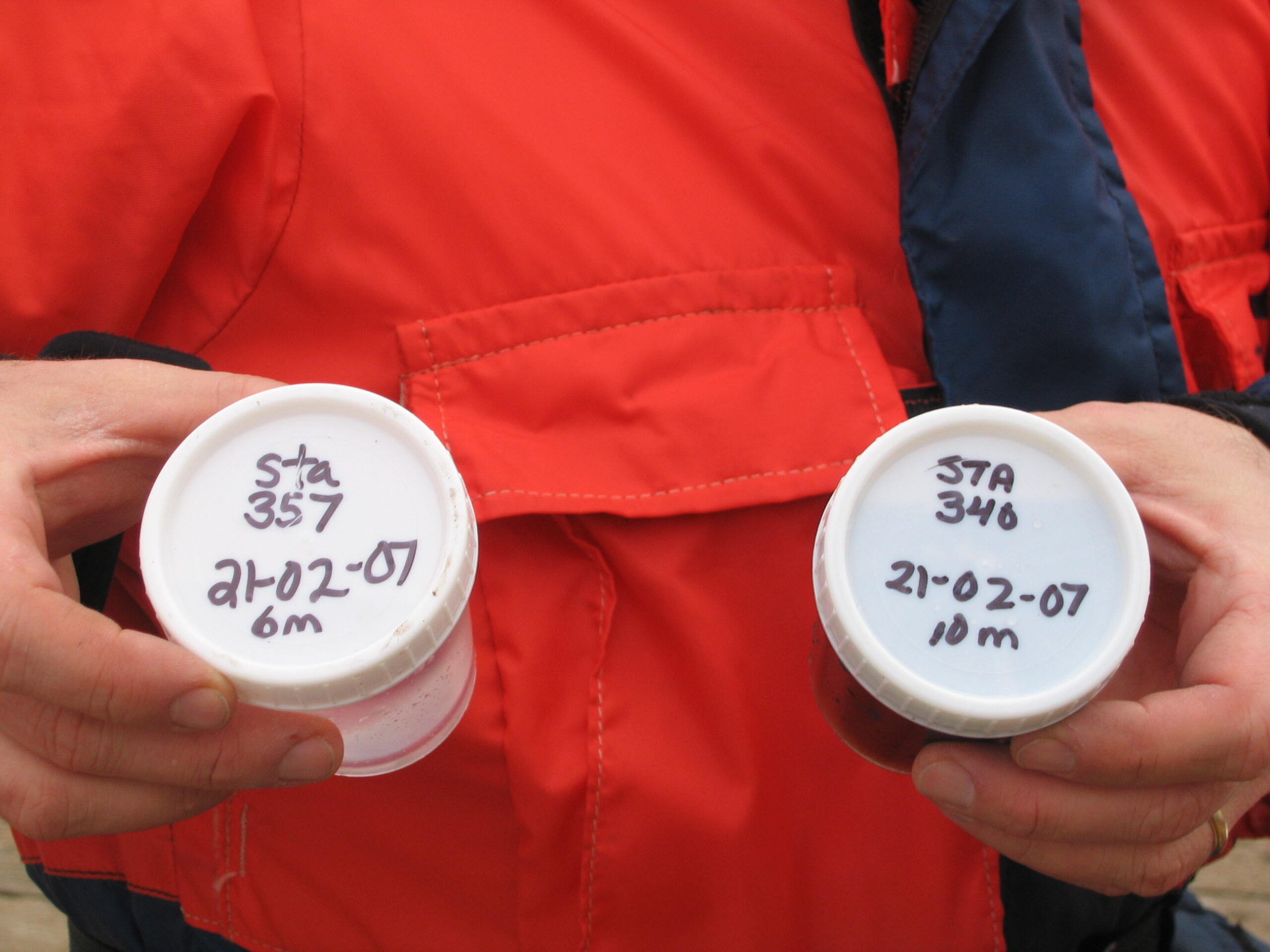
Lake Erie samples collecting from Canadian Coast Guard Ship Griffon, photo by Steven W. Wilhelm
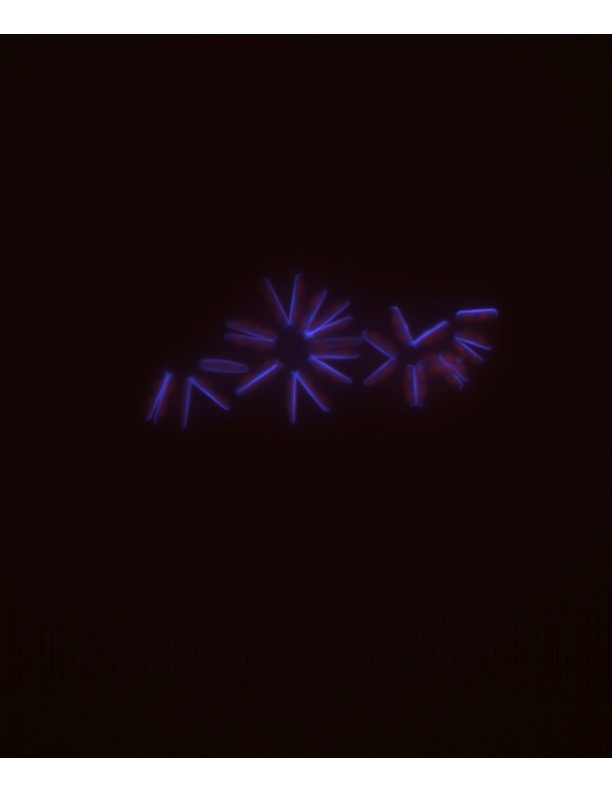
Diatoms labelled with a fluorescent dye, photo by Brittany N. Zepernick
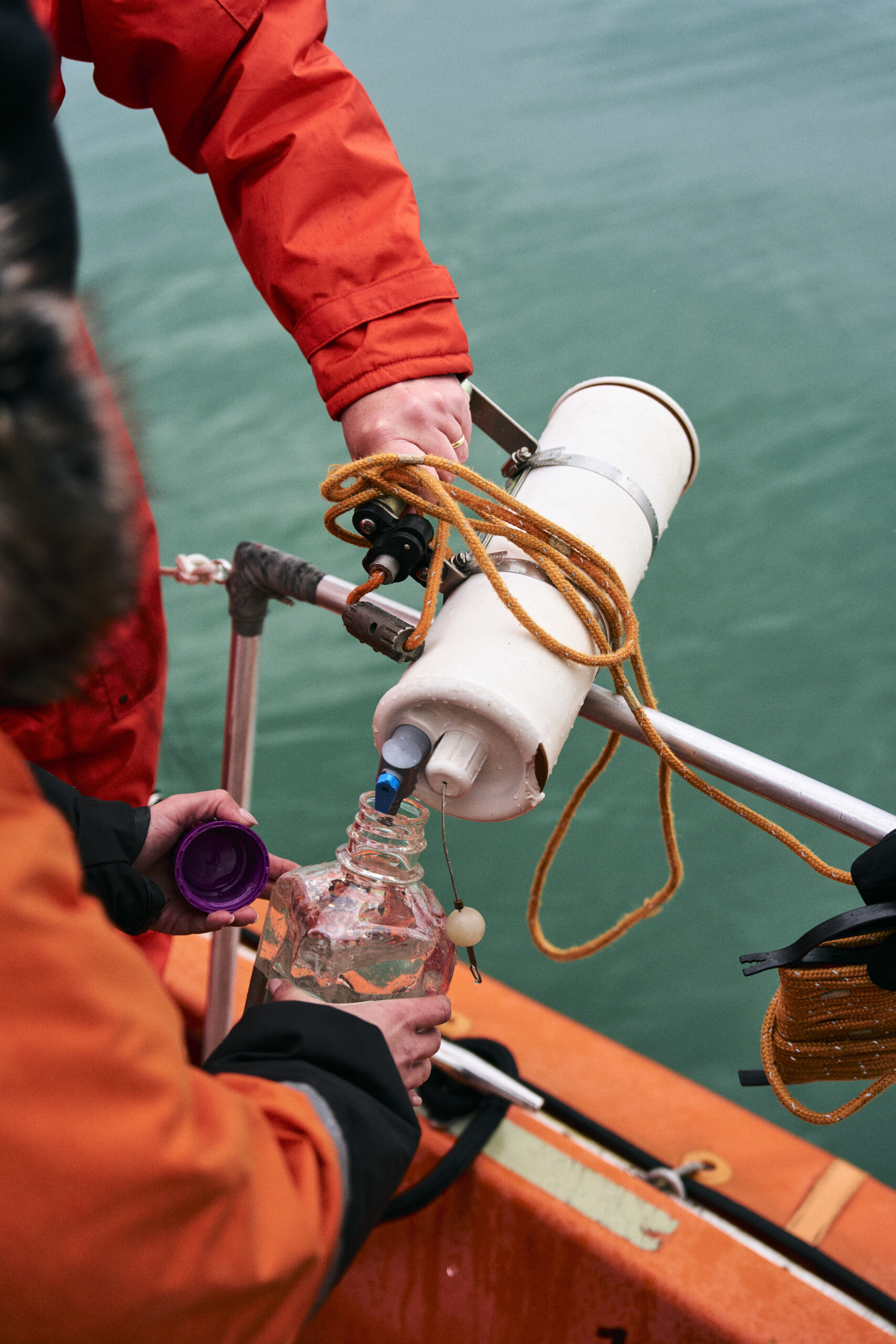
Brittany N. Zepernick, R. Michael McKay, photo by The Daylight Award
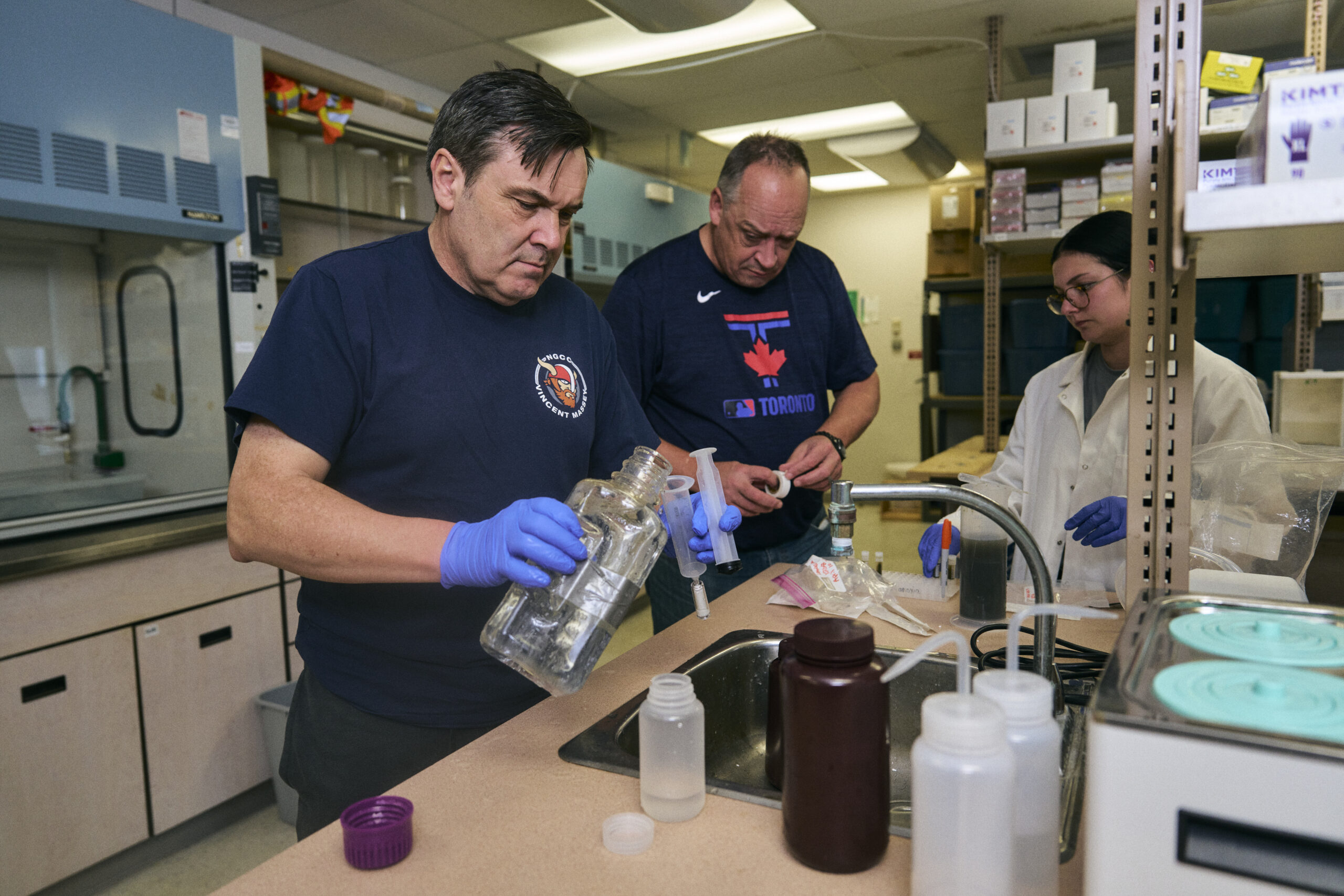
R. Michael McKay, Steven W. Wilhelm, Brittany N. Zepernick, Photo by The Daylight Award
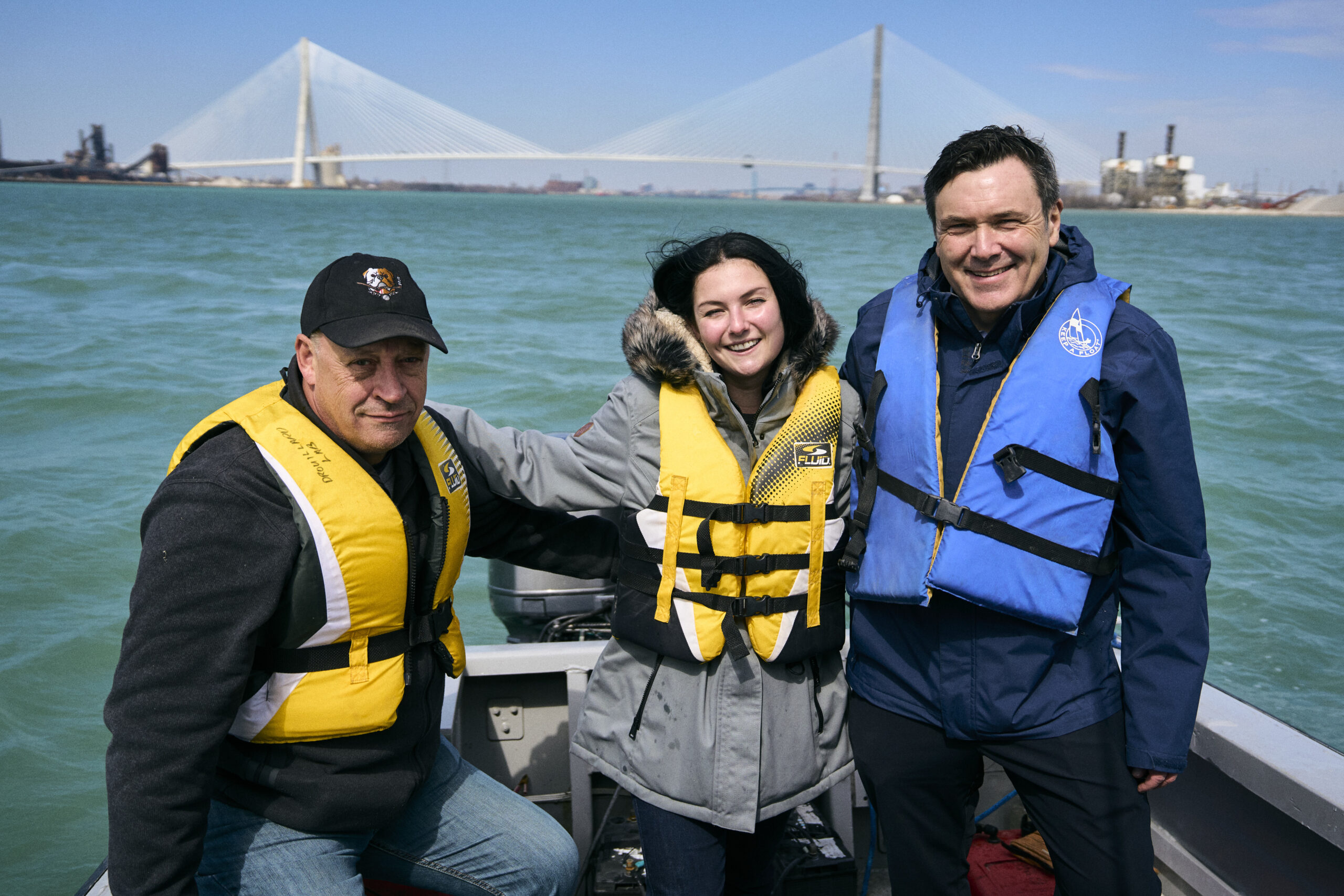
Steven W. Wilhelm, Brittany N. Zepernick, R. Michael McKay photo by The Daylight Award
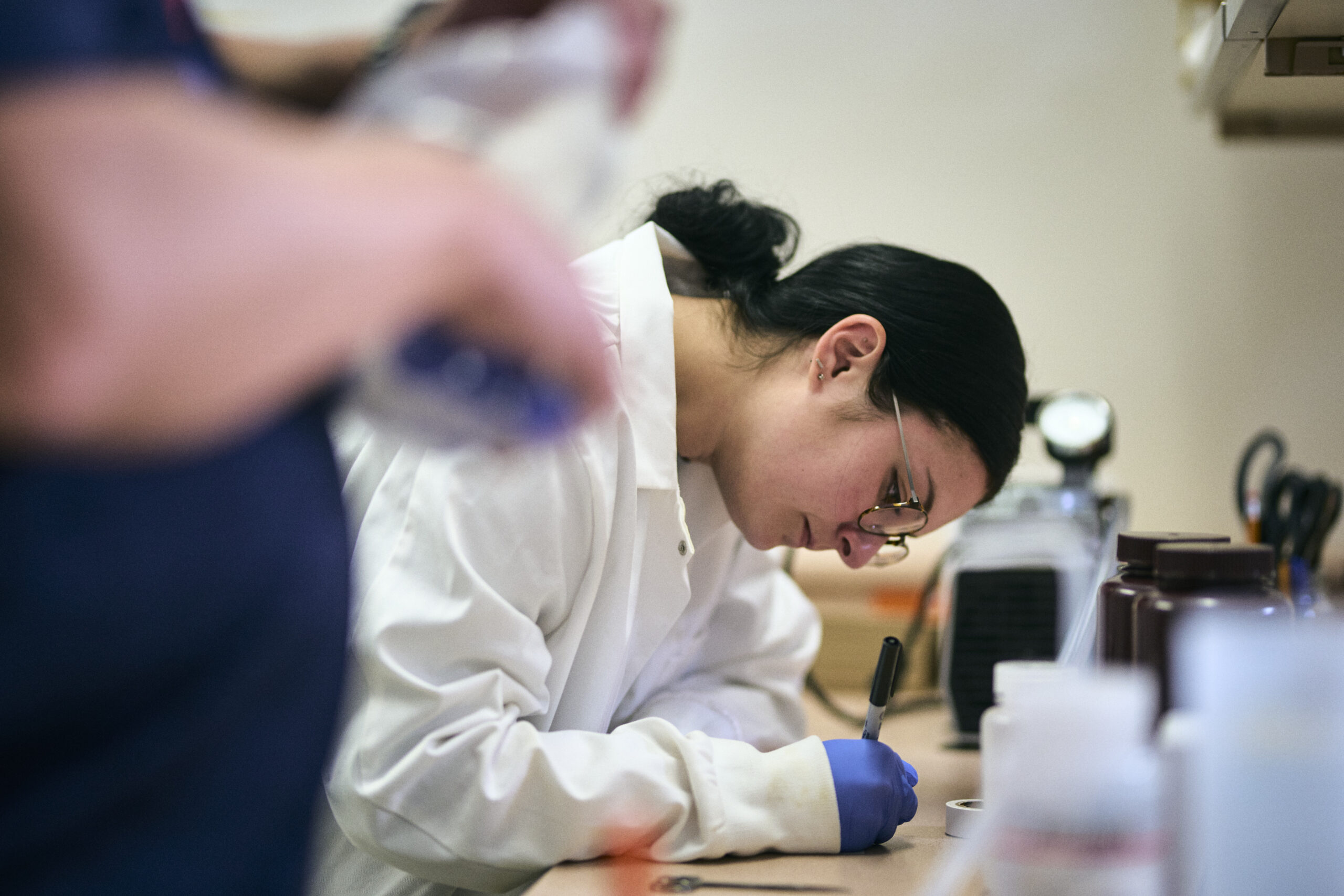
Brittany N. Zepernick, photo by The Daylight Award
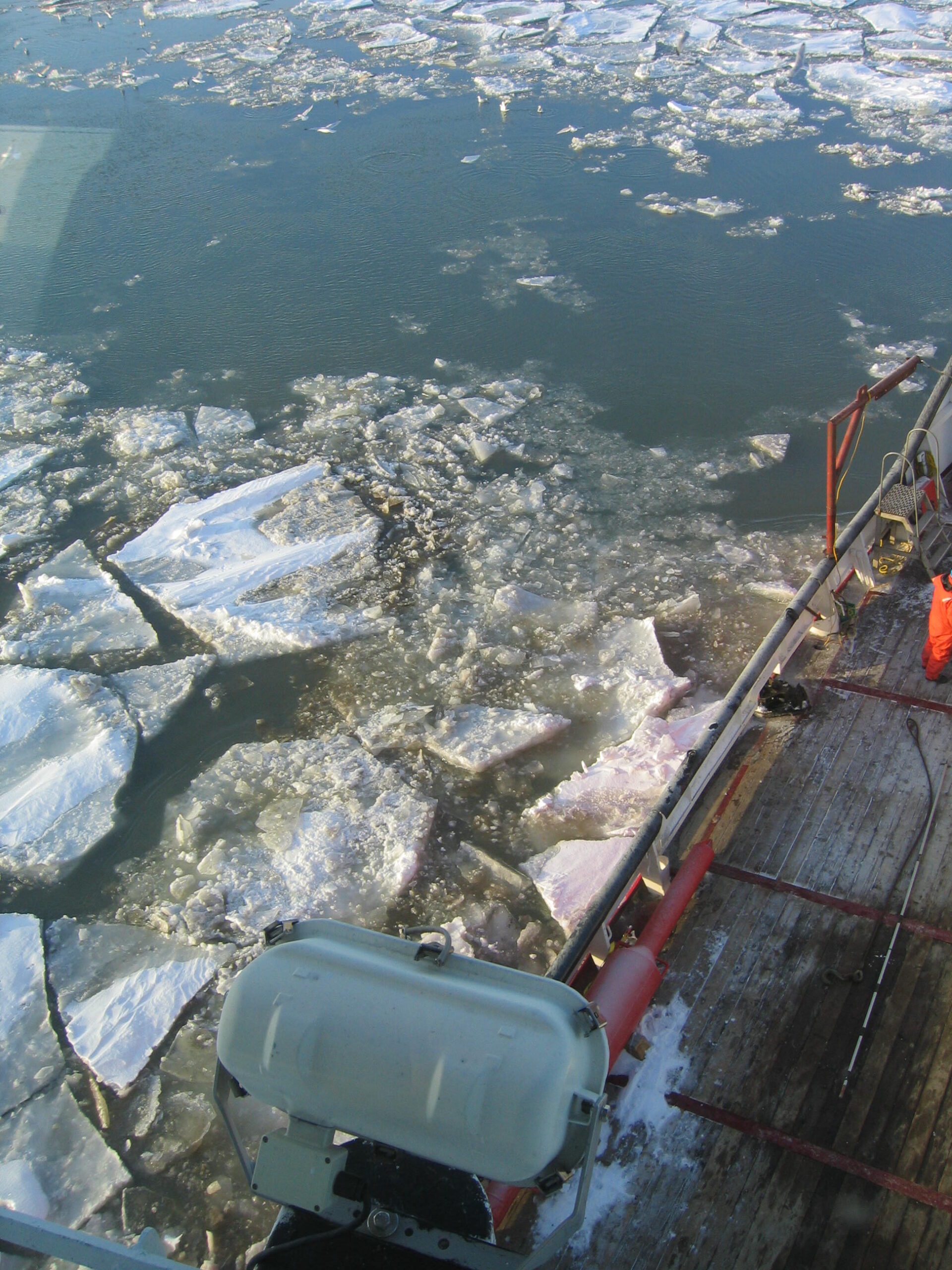
Lake Erie samples collecting from Canadian Coast Guard Ship Griffon, photo by Steven W. Wilhelm
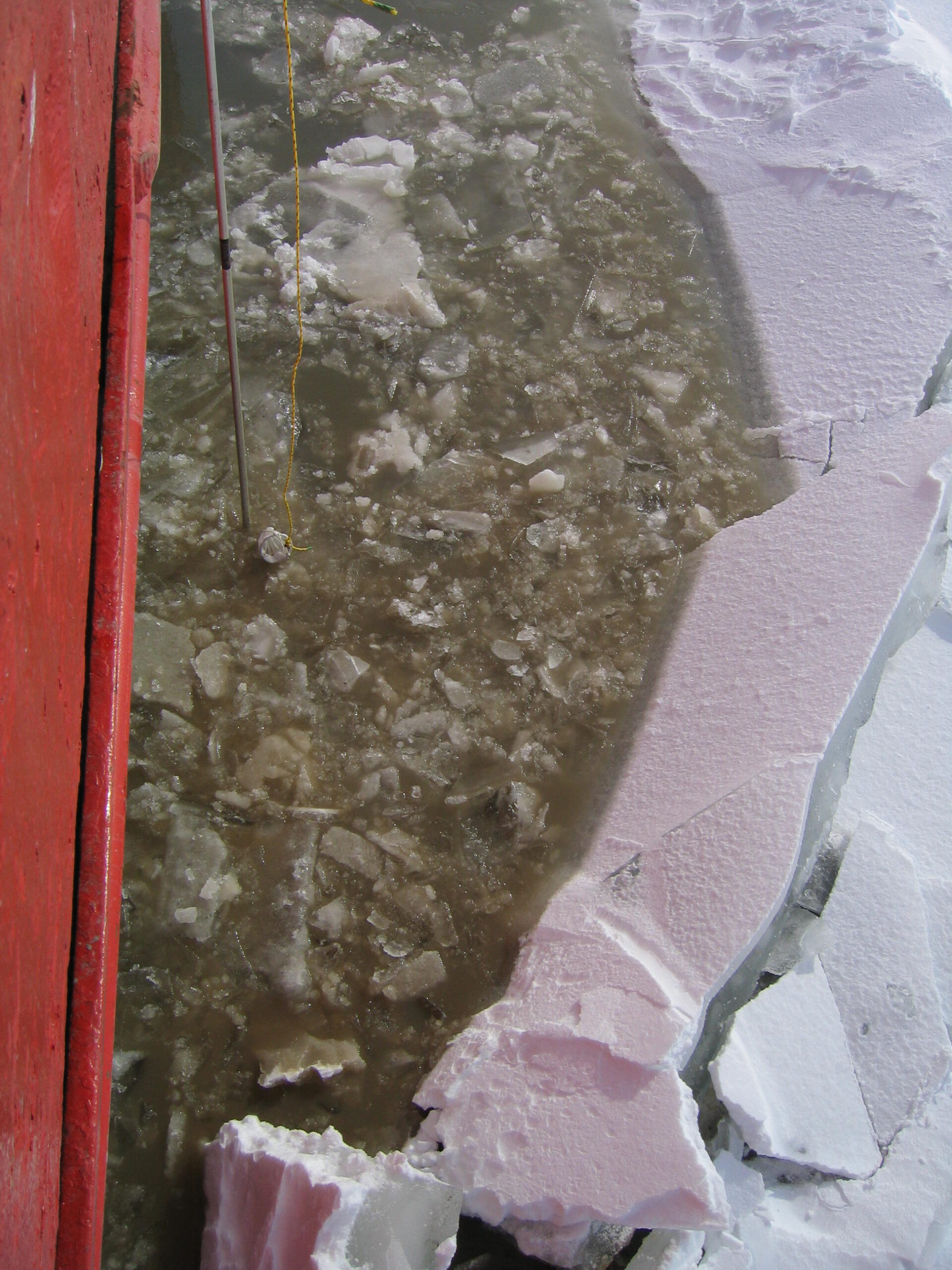
Lake Erie samples collecting from Canadian Coast Guard Ship Griffon, photo by Steven W. Wilhelm
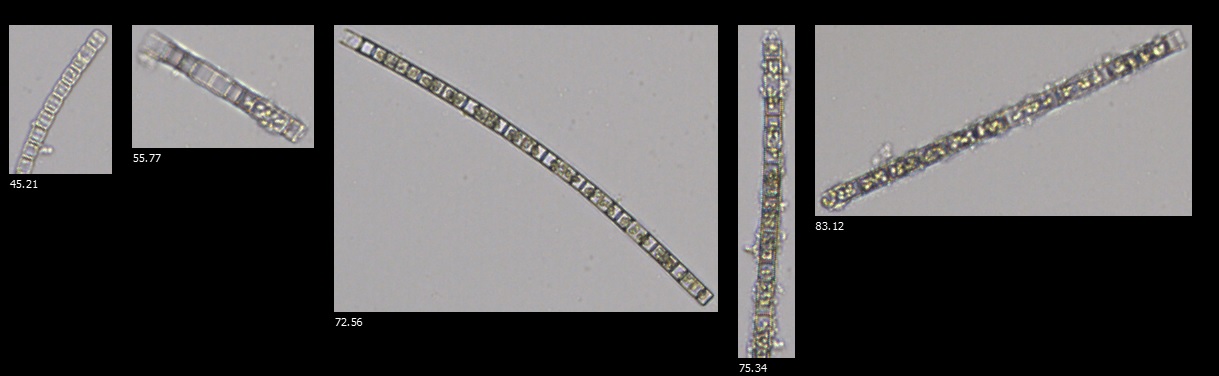
LE_Diatom_photo by Jason Olavesen, UTK
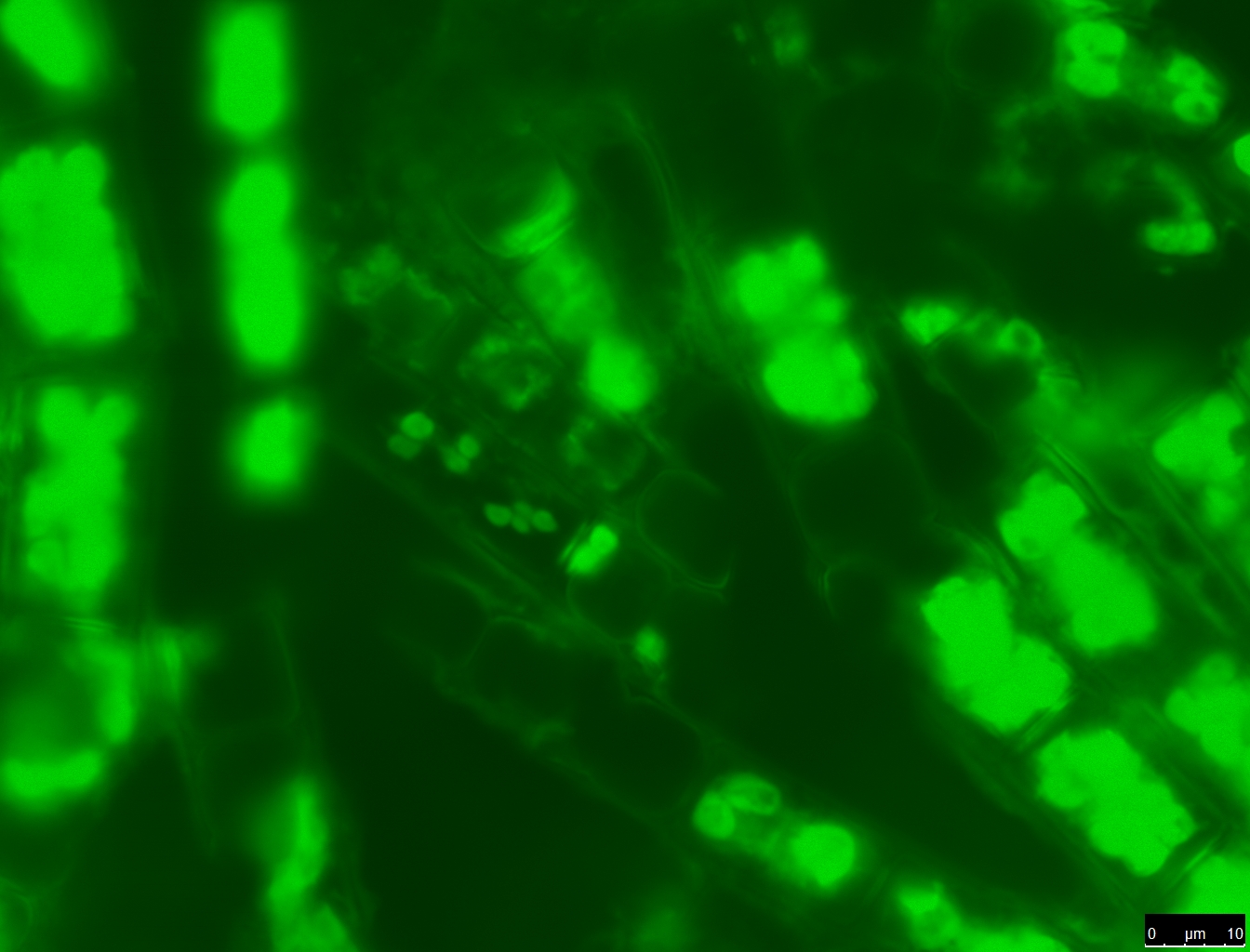
Diatom samples collected in Lake Erie_photo by Jason Olavesen, UTK
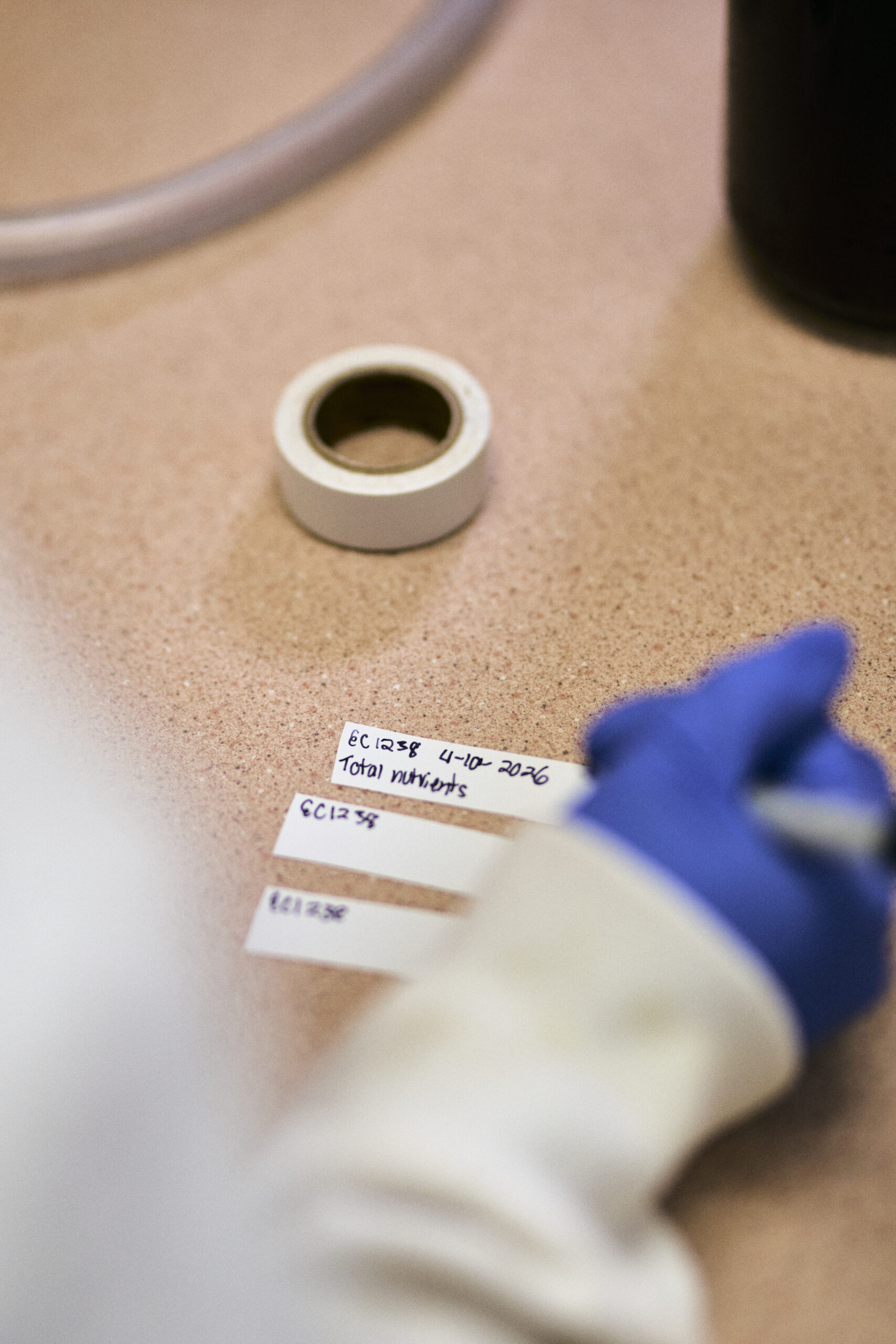
Brittany N. Zepernick, photy by The Daylight Award